

Here’s What you Need to Know
Thinking of moving to Marbella? It is a good choice. The sunshine, the beaches, an international crowd and a growing base of remote workers and business owners make it one of the easier places in Europe to build a new life. We help people settle here every season, so we have a fair idea of what catches new arrivals out. Here are six things worth knowing before you make the move.
1. The amount of paperwork will surprise you
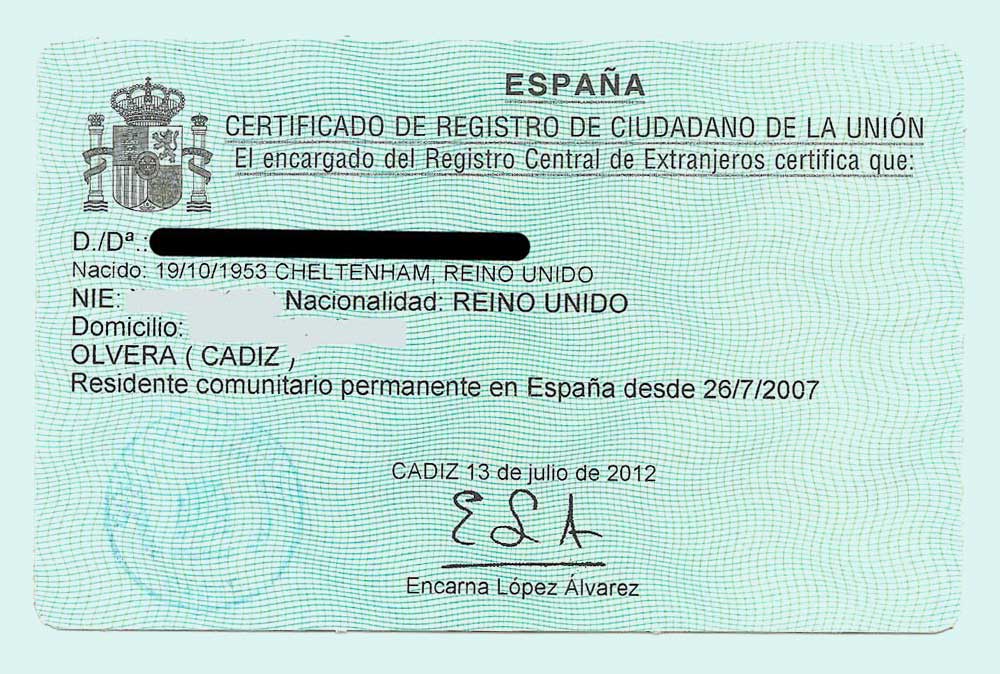
Spain runs on paperwork, and moving here means plenty of it. This is also the tip that has changed most in recent years, so it is worth reading carefully. If you are not an EU citizen, and since Brexit that includes British nationals, you now need the right visa to live here rather than just visit. Buying a property no longer comes with residency attached either: Spain closed its Golden Visa route in April 2025, so property and residency are now separate questions. The routes most new arrivals use are the Non-Lucrative Visa, for people living on savings, a pension or investment income, and the Digital Nomad Visa, for people working remotely for companies based outside Spain. On top of the visa you will deal with an NIE number, a TIE residence card in time, a Spanish bank account and, for a lot of the admin, a local gestor. None of it is hard on its own. It is the sheer volume that surprises people, so start early. Rules and income thresholds change often, so take proper advice from a Spanish immigration lawyer or gestor before you commit to a route, and our relocation support team can help you get started.
2. It’s not hot all year round
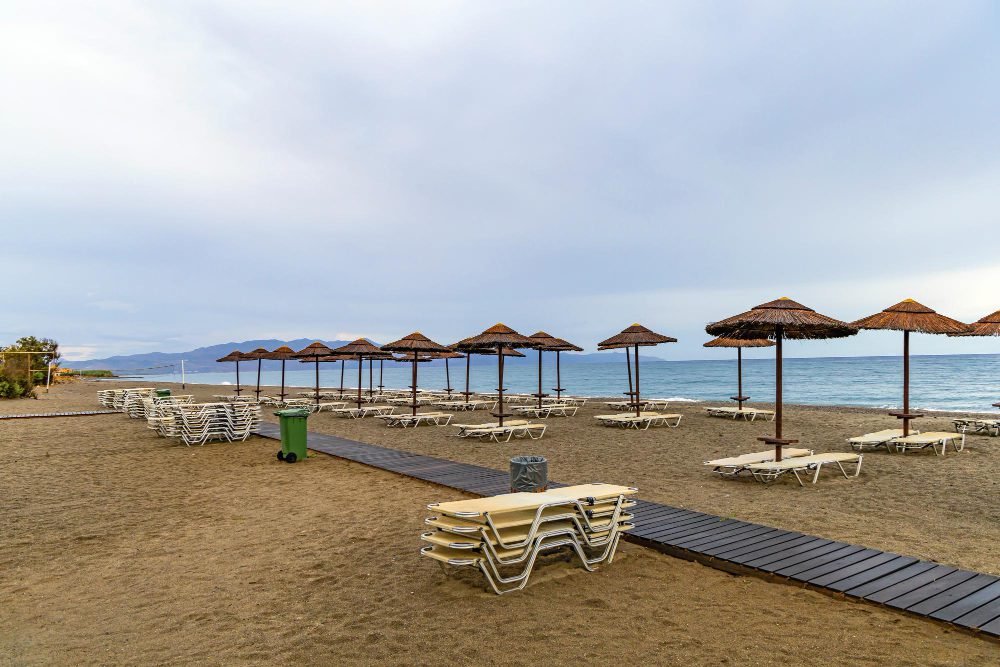
Marbella sells itself on sunshine, and it delivers, with well over 300 sunny days in a typical year. But it still has a winter. Evenings from December to February can be genuinely cold, and many older properties are built to keep heat out rather than in, so indoor heating is not always what you are used to at home. If you are staying for the season, pack more than shorts.
3. It’s not just a holiday
This is the one people underestimate. A week here on holiday is not the same as living here. You bring your work, your routine and your responsibilities with you, and the admin of daily life carries on, only with better weather and a better view. The upside is that you are far from alone: Marbella has become a real base for remote workers, and there is a proper community of digital nomads and business owners who have made the same move. Go in expecting real life rather than a permanent holiday and you will settle in much faster. Renting first is the sensible way to test an area before you buy, and we offer medium and long-term rentals if you want to try before you commit to anything.

4. You’ll be over-run with visitors
In your first year especially, expect a steady stream of friends and family who suddenly want to visit. It is lovely at first. It is less lovely by the third changeover of the month, when your home has quietly become a bed and breakfast and someone is trailing sand through the hall. Set some boundaries early, keep a room ready for the people who matter, and do not feel bad about saying the villa is full. If you are moving with older children, it is worth knowing the area has more to offer teenagers than a lot of new arrivals expect.

5. Second hand cars are expensive
Here is an odd one. For a country with a fairly reasonable cost of living, second hand cars hold their value and can feel expensive, and buying one comes with its own round of paperwork. If you are planning to drive, build this into your sums early rather than assuming you will pick up a cheap runaround the week you arrive.

6. Closing times and customs can take some getting used to
The biggest adjustment for many northern Europeans is not the language, it is the pace. Lunches are long, the working day runs later, and plenty of businesses still close in the afternoon. Add a generous list of national and local public holidays and you will have days where you simply cannot get things done. Banks in particular keep shorter counter hours than you might be used to and often work by appointment. It is worth planning around rather than fighting. Once you stop expecting everything to run on a northern European clock, the slower rhythm turns into one of the better things about living here.

Moving to Marbella: Quick Answers
Do UK citizens need a visa to move to Marbella?
Yes. Since Brexit, British nationals are treated as non-EU citizens. You can visit for up to 90 days in any 180 day period without a visa, but to live here you need a residence visa such as the Non-Lucrative or Digital Nomad Visa.
Can I still get residency by buying a property?
No. Spain closed its Golden Visa route in April 2025, so buying a property no longer grants residency on its own. You can still buy freely, but residency now comes through a separate visa route.
How long can I stay in Spain without a visa?
Non-EU visitors, including UK nationals, can stay up to 90 days in any 180 day period. Anything longer needs a visa or residence permit.
Is Marbella expensive to live in?
It depends on your lifestyle and where you base yourself. Day to day costs like groceries and eating out are often lower than in northern Europe, while property in the prime areas and cars can be pricier. Renting first helps you learn the real cost before you commit.
Ready to Make the Move?
Marbella is a wonderful place to live, and it is a far smoother move when you go in with your eyes open. If you are seriously considering it, we can help. Swish offers villas and apartments for medium and long-term rental across the Golden Mile, Nueva Andalucia and beyond, along with relocation support to take the friction out of settling in. Get in touch with the Swish team and we will talk you through the options.